
Kids Discover that Two Can Talk: How Speech Therapy Builds Confidence to Connect
Speech therapy, although primarily done to help kids develop their speech and language skills, does more than that. Moreover, as a result of being able to communicate, it also helps kids develop confidence, independence, and emotional strength. As a result, they learn that two can talk as they connect and exchange ideas with their family and friends.
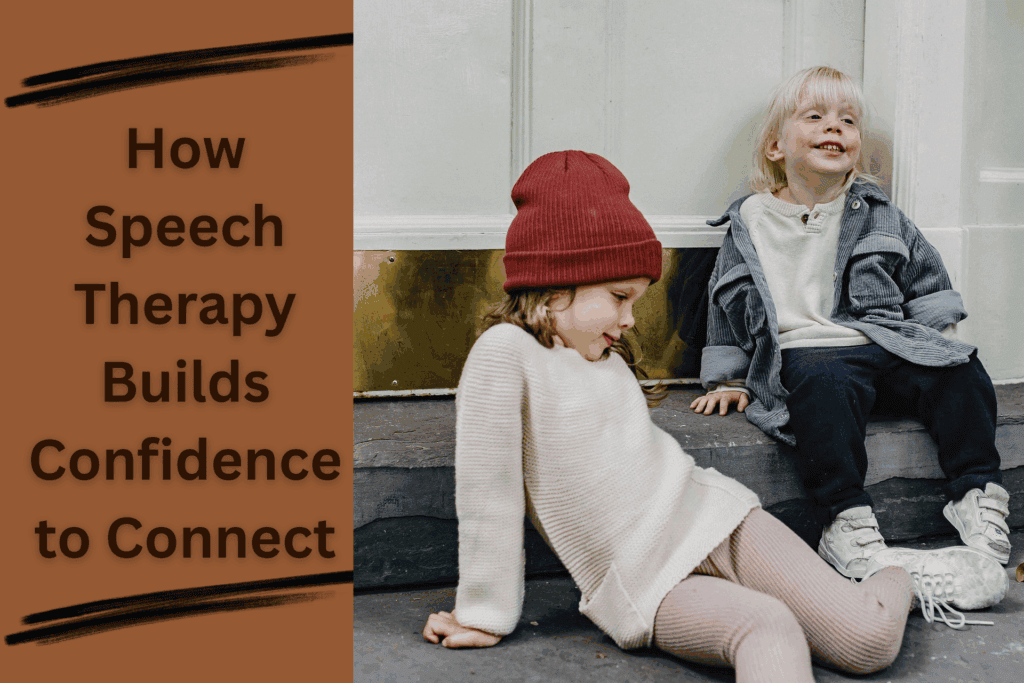
Oftentimes, children with speech and language issues do not perform well not because they lack ideas but rather not having enough confidence to share their thoughts. This usually stems from being unsure when they talk and respond to people around them. With the right team to join them in their speech therapy journey, they will be able to improve their communication skills and rebuild their self-esteem. Here at Speech Link, we boost your child’s confidence through improving their communication skills.
Confidence Begins with Connection and Knowing that Two Can Talk
As adults listen and respect children, they develop confidence better. Here at Speech Link, our speech therapy sessions provide a secure avenue for their self-expression. Therapists do not pressure patients to talk but rather inculcate the fact that their thoughts and voices are important. Emphasizing that in any communication, two can talk, and the other voice is theirs. This decreases anxiety and, in turn, develops trust. As the kids are accepted and accept themselves, they develop confidence.
Small Wins Create Big Changes
In speech therapy, instant results are not to be expected. Most often than not, development is gradual and real results can only be seen over time. Despite this, however, every victory should be celebrated in order to be a source of motivation and self-confidence. Learning to pronounce one sound, for example, will help to learn another sound that results in words becoming clearer. As a result, the child gets positive feedback from friends and teachers at school. These instances, although seemingly small, strengthen faith naturally and kids start to take healthy communication risks and engage in conversations where two can talk.
Successful Two-Way Communication Shapes Social Confidence
Speech usually impacts friendships and classroom interactions. In kids with speech and language challenges, they might not speak with others from fear of being laughed at or misunderstood. However, with the right approach to speech therapy, these skills required in social interaction are supported and developed. The connection with their peers is enhanced by turn-taking in conversations as well as having a clear expression. With increasing communication where two can talk, social confidence comes up and eventually, children can interact with others more easily.
Emotional Growth Beyond Speech Skills
Speech therapy encourages emotional control and strength as well. This is because sessions teach children how to handle frustration when communicating, thereby boosting their patience and self-discipline. Additionally, interaction encourages problem-solving. These abilities, in turn, help in confidence in most environments and achieve growth.
Encouraging Independence and Self-Advocacy
Confidence in kids involves advocating for their self-interest. For example, therapy promotes the expression of preferences in children and encourages them to seek assistance if needed. Furthermore, self-advocacy enable independence as children have a sense of being more in control of their world. This power of control enhances confidence.
Family Support Strengthens Confidence
Confidence-building involves families. This is because speech therapy provides practical guidance to parents and caregivers so they can use daily activities to exercise speech outside sessions. This constant support solidifies the improvement, as kids also celebrate efforts and achievements at home. These favorable conditions contribute to boosting confidence, enough for kids to engage in discussions where at least two can talk. Here at Speech Link, we help build your child’s confidence beyond the comforts of therapy sessions. Our system is child-centered to strengthen their communication and encourage socialization.