
Helping Children Develop Handwriting Skills Through Occupational Therapy
One of the most common things kids do at school is writing. In this regard, several skills are involved in handwriting. This is because a child must have coordination, strength, and visual awareness. They also need attention and comfortable body positioning. However, when these skills become challenging, writing can feel frustrating. As a result, this leads to children who do not like to draw or write. On the other hand, others have trouble with writing letters and holding a pencil. Fortunately, occupational therapy may be helpful in identifying underlying problems. This kind of support is about helping someone have an easier time doing everyday tasks.
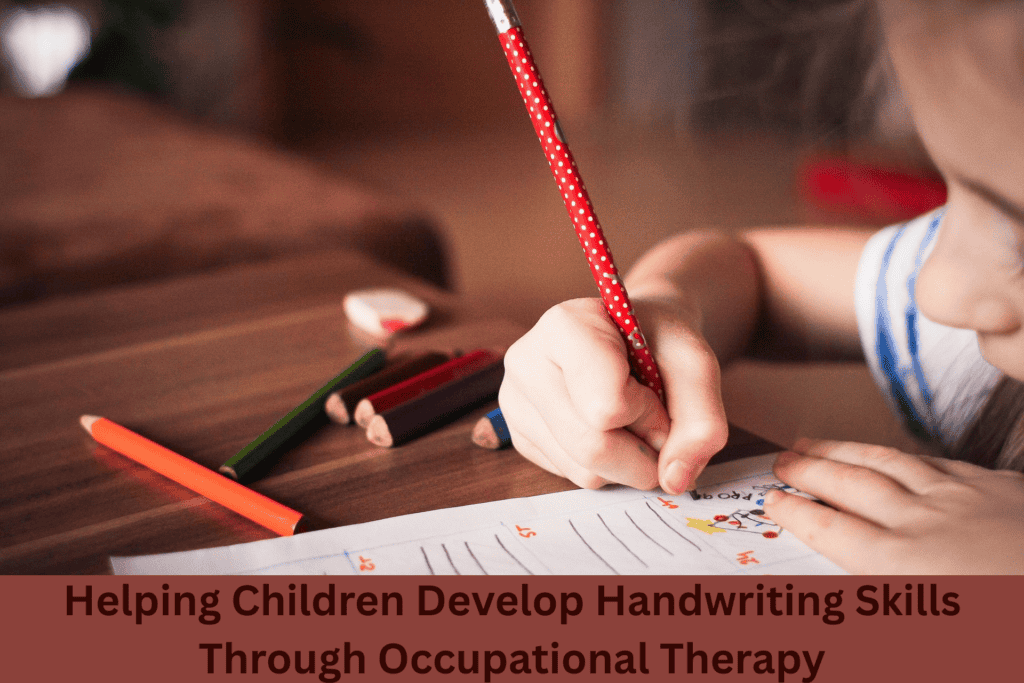
Understanding the Skills Behind Writing
Fine motor skills are used for smaller hand movements. This includes children using these skills in holding pencils as well as in cutting, buttoning, and drawing. Additionally, visual motor skills involve the use of the eyes and movement of the hands. With these skills, kids are enabled to replicate shapes and letters. Moreover, the ability to write for a long time is also influenced by posture and hand strength. So, difficulties in these areas can affect classroom participation. Hence, the need for occupational therapy is important.
Signs Your Child May Need Support
Handwriting difficulties can manifest differently from each person. Some children use too much pressure when holding pencils while others find that they get tired or sore while writing. In other instances, letters may appear inconsistent or difficult to read, whereas for some, kids may have difficulty with spacing and alignment. Because of these, tasks involving writing may take longer than anticipated. However, persistent concerns such as these may require professional assessment through occupational therapy.
Making Practice Enjoyable
Handwriting practice does not always require worksheets. For example, playful activities can strengthen important foundational skills. In the same vein, building blocks and puzzles encourage hand coordination. Likewise, drawing and coloring also help with pencil control. And so, children can practice using different materials. There are also a variety of experiences that can be gained by using chalk, crayons, and clay. In occupational therapy, short activities often feel more manageable. This is because, in these exercises, children will gain confidence through encouragement, not pressure.
Supporting Writing at Home
Parents can also create comfortable spaces for writing. For example, appropriate seating helps children maintain better posture. Similarly, keeping materials within reach can reduce distractions. Offering short, regular opportunities for practice and letting children choose enjoyable drawing activities are also good ways to encourage fine motor skills. More importantly, celebrate effort and do not expect perfect letters immediately. Consistent support from occupational therapy can help make writing feel less stressful.
How Occupational Therapy Can Help
Occupational therapists assess the skills affecting handwriting. They may explore coordination, posture, and sensory needs. As a result of these assessments, therapy activities are tailored to each child’s abilities and goals focus on meaningful daily participation. This may include children practicing pencil control and letter formation. Moreover, therapists can also recommend helpful classroom adjustments, and families receive strategies for continuing progress at home.
How Speech Link Supports Growing Independence
Here at Speech Link, we understand that every child learns differently. So, our occupational therapy team considers each child’s individual needs as we create personalized goals around practical everyday skills. Furthermore, we acknowledge the importance of families as partners throughout the therapy process. So, we make sure to provide guidance for supporting development beyond sessions so children can approach writing confidently. With us here at Speech Link, children gain the skills they need to participate more comfortably in daily life.