
Developing Fine Motor Skills Through Occupational Therapy
In child development, one of the noted skills that a child can develop is fine motor skills. These are the skills that involve small hand and finger movements. This is because kids use these skills daily, especially as they go to school. This is seen in holding pencils, tying shoes, and using utensils. As such, if these skills are challenging, everyday activities can be frustrating for the child. That is why occupational therapy also focuses on these skills during sessions.
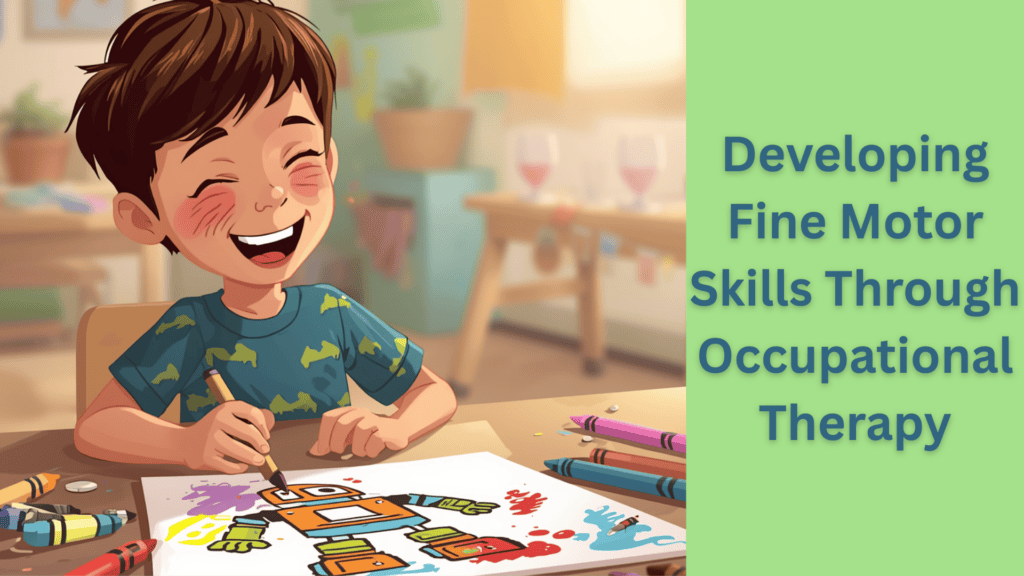
Although these skills develop naturally and progressively in certain developmental milestones, there are certain children who may find it difficult to grasp things. In some cases, they are unable to coordinate their movements unlike other children within their age range. As a result, these children can be seen to avoid activities that require hand strength. Furthermore, these difficulties can impact school performance and confidence. Fortunately, occupational therapy sessions can help these kids develop these key skills through early support.
Signs a Child May Need Extra Support from Occupational Therapy
Fine motor difficulties can appear in different ways. For example, a child may have uncoordinated handwriting or may tire out easily while writing. In other cases, a child may have trouble with buttons, zippers, or scissors. As a result of this, parents may notice that the child gets frustrated or avoids activities involving crafts or schoolwork. Unfortunately, if left unrecognized, these warning signs may result in a child continuing to suffer. That is why, in occupational therapy, early intervention is encouraged in order to assist these children in resolving issues and become independent as soon as possible.
How Occupational Therapy Helps
Occupational therapy is about enhancing everyday skills. Thus, therapists use fun and engaging activities to strengthen hand muscles. Through this, children learn to grasp, squeeze, and coordinate movement through play-based activities. Moreover, activities are tailored to each child’s specific needs. Through occupational therapy, skills are developed over time, and therapy progresses gradually. This leads to kids having increased confidence through small successes. Moreover, consistent practice leads to lasting improvements over time.
Building Skills at Home
Aside from occupational therapy sessions, parents can also support fine motor development through daily activities. Encouraging and engaging kids into activities like drawing, building blocks, and puzzles help strengthen hand coordination. Clay molding is also great for strengthening the fingers. Even household chores like arranging toys in line or sorting them provide valuable practice. In other cases, children can participate in the mixing of ingredients during cooking or baking sessions. These activities promote independence and develop valuable life skills as well.
Confidence Grows with Progress
As fine motor skills improve, confidence often follows. This results in children being more likely to engage in new activities since difficult tasks are now easier to manage. Moreover, if they are successful in their daily routines, they can also develop a positive mindset. Often, this leads to children becoming confident and proud of their achievements that can later support growth in other areas as well.
How Speech Link Supports Occupational Therapy
Here at Speech Link, we help children develop practical life skills through personalized occupational therapy sessions. Our therapists create engaging activities that strengthen fine motor abilities and encourage independence. Additionally, we also work closely with families to support progress at home.
We believe that every child should receive care based on their unique needs and goals. That is why we ensure to provide compassionate guidance and evidence-based therapy.