
Behavioural Therapy: Helping Children Manage Big Emotions
Children experience many emotions as they grow. Whether this is happiness, excitement, anger, sadness, all these emotions are normal. However, oftentimes, managing these emotions can be challenging. Although some kids learn to regulate naturally as they grow, there are also children who need additional help to get this done. With behavioural therapy, kids with frequent outbursts or are easily overwhelmed are assisted into processing their feelings.
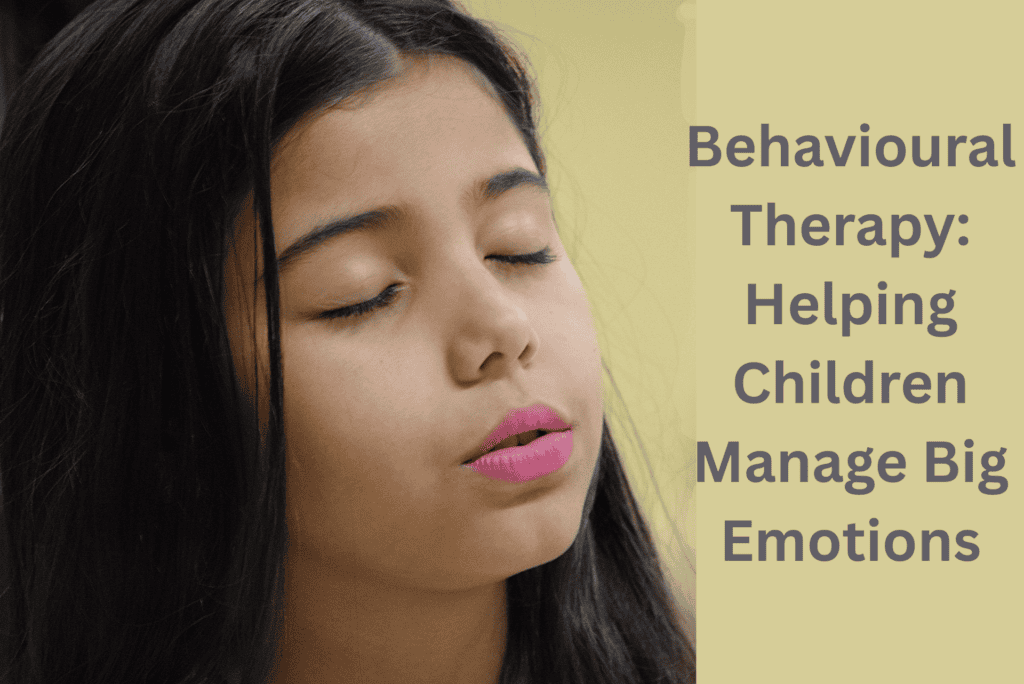
Children learn about their feelings with behavioural therapy. This provides them with an understanding of the relationship between emotions and actions or reactions. With proper guidance and intervention, children learn to respond differently to challenging situations.
Emotional Regulation Can Be Difficult for Kids
Kids often exhibit strong reactions from a change in routine, difficult communication, or a stressful situation. This is because their ability to regulate emotions is not yet mature. Normally, a child is able to adapt quicker as they grow. However, there are also children who are unable to communicate their emotions. As a result, they get frustrated and exhibit this through crying, yelling, or withdrawal. Hence, behavioural therapy is crucial to understand why these behaviour occur. Furthermore, it also helps the child cope effectively.
Behavioural Therapy: Teaching Positive Coping Skills
Behavioural therapy teaches skills to cope with the situation. Through this, children learn to recognize emotions before they become overwhelming. Additionally, they also learn relaxation skills to guide them navigate everyday life. Often, simple strategies work well. This may include encouraging children to regain control by using deep breathing, visual schedules, and quiet spaces. Furthermore, small successes encourage children to use these skills independently. So, in learning positive strategies to manage emotions, their confidence also increases.
The Importance of Consistency at Home
Emotions are also an important part of family life. Therefore, adapting regular habits helps children feel secure and comforted. Likewise, having clear expectations helps minimize frustration and anxiety. In behavioural therapy, parents also play a crucial role through real-life interactions. This is because children learn about dealing with challenging situations better through their parents’ calm responses. Moreover, praising positive behaviour encourages children to continue using healthy coping skills.
Behaviour and Communication Often Work Together
Children can express themselves verbally and non-verbally. Almost always, behaviour is a manifestation of emotions that are hard to communicate. As such, strengthening communication skills can reduce emotional frustration since children are more confident when they feel understood. Along with behavioural therapy, speech therapy also teaches them to express emotions in the right manner. Thus, supporting stronger relationships at home, school, and within the community.
How Speech Link Supports Emotional and Behavioural Growth
Here at Speech Link, we understand that behaviour and communication are closely connected. Hence, our team works with children and families to develop practical strategies that support emotional regulation and positive behaviours. Furthermore, our approach is to create personalized plans based on each child’s strengths and needs. In addition to that, families also receive guidance to reinforce these skills at home. Through compassionate support and evidence-based care, Speech Link helps children build confidence, improve self-regulation, and thrive in everyday life.
Schedule your child’s assessment and consultation today!