
Helping Children Thrive Through Behavioural Therapy
Behavioural Therapy, as the name implies, is a series of collaborative processes that teach children to control their behaviours and how they express their feelings. It helps provide structured support in teaching positive responses and usually includes communication, attention, and self-control skills. The goal is towards improving patterns of everyday behavior.
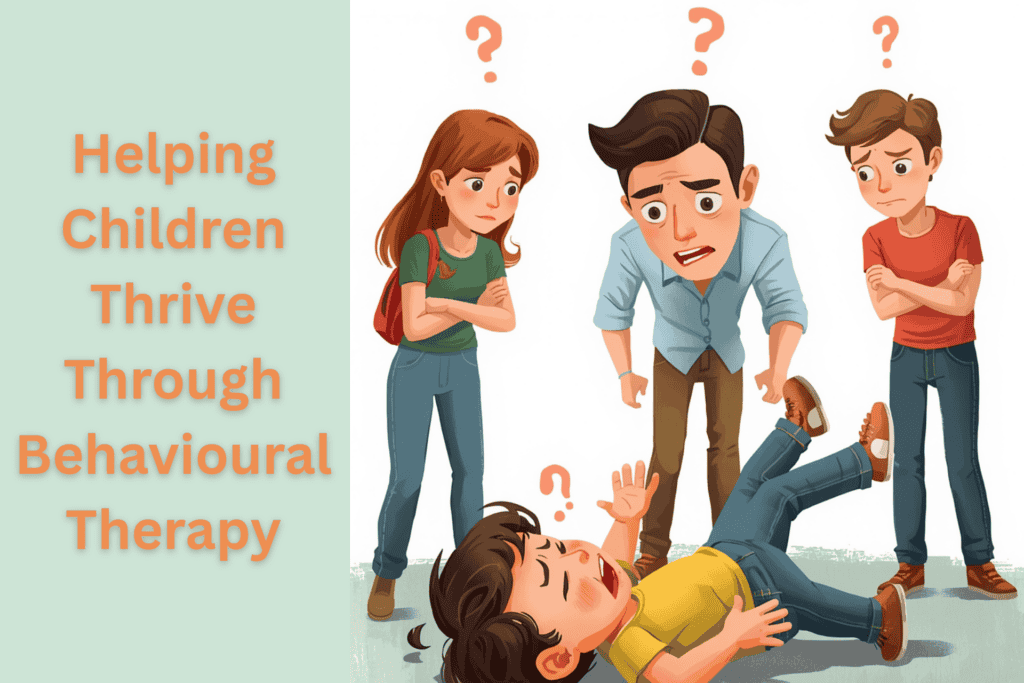
There is no set of fixed interventional approaches when it comes to behavioral therapy. This is because every child is unique therefore must be guided differently as well. Some children have difficulty with routines and/or social situations whereas others respond in a dramatic way when under stress. No matter the means, however, behavioural therapy helps children understand their reactions and how to better express their feelings.
Behavioural Challenges in Children
In behavioural therapy, therapists acknowledge that kids have behavioural challenges that manifest in various ways. For some children, this may be seen as the difficulty following instructions while others may have trouble transitioning or getting frustrated. These stressful times often manifest as emotional outbursts. In some cases, behaviours can come from communication issues and shows or misinterpreted as inappropriate behavior. Knowing the why behind the outburst, like having poor language abilities, is important for providing effective support.
Building Positive Everyday Skills through Behavioural Therapy
Behavioral therapy targets real-world skills. This is because routines and structure are believed to be keys to teaching children. Additionally, the use of positive reinforcement promotes healthy behaviours. Usually, therapists divide up tasks into smaller, more manageable parts for kids. This gradual increase in success leads to a gradual development of confidence. As a result, kids gain an awareness of what is expected of them, which leads to more relaxed and pleasant relationships.
The Importance of Family Support
Parents, and the entire family, play a very important role in increasing the effectiveness of therapy. This is because kids can benefit from a daily routine at home, in between therapy sessions. Additionally, parents and caregivers also taught strategies that they can apply in certain situations throughout the day. These simple adjustments can make communication and behaviour better. Furthermore, calm responses help children feel safe and understood. Hence, consistent collaboration of therapy and home care creates greater success.
Behaviour and Communication Work Together
Communication is related to behaviour. In most cases, kids who get frustrated about not being understood express it through actions. Hence, improvements in communication could lead to improvements in behaviour as well. That is why speech and behavioural support can go together as children are able to express feelings appropriately with clear communication. Thus, eliminating confusion and emotional tension over time.
How Speech Link Supports Families
At Speech Link, we understand that every child develops differently. Because of this, our team creates personalized support plans for each child. Moreover, our therapy sessions are directed towards emotional development, communication, and positive behaviours. Additionally, we also guide families throughout the therapy process by providing practical strategies that parents can use to support kids at home. So, children develop their confidence through collaboration across environments.
Here, we believe that children learn healthier responses and better communication skills with support and guidance. Thus, Speech Link is committed to supporting families every step forward.