
The Power of Fun Role Play, Game, Ideas in Building Language Skills
For kids, play is more than just fun. It is how kids learn and express what they know about the world. As such, in various forms of therapy, they can be used as good tools. This is because play provides opportunities for children to explore, listen, and communicate. Every moment of a role play game ideas are formed that contribute to the natural development of language.
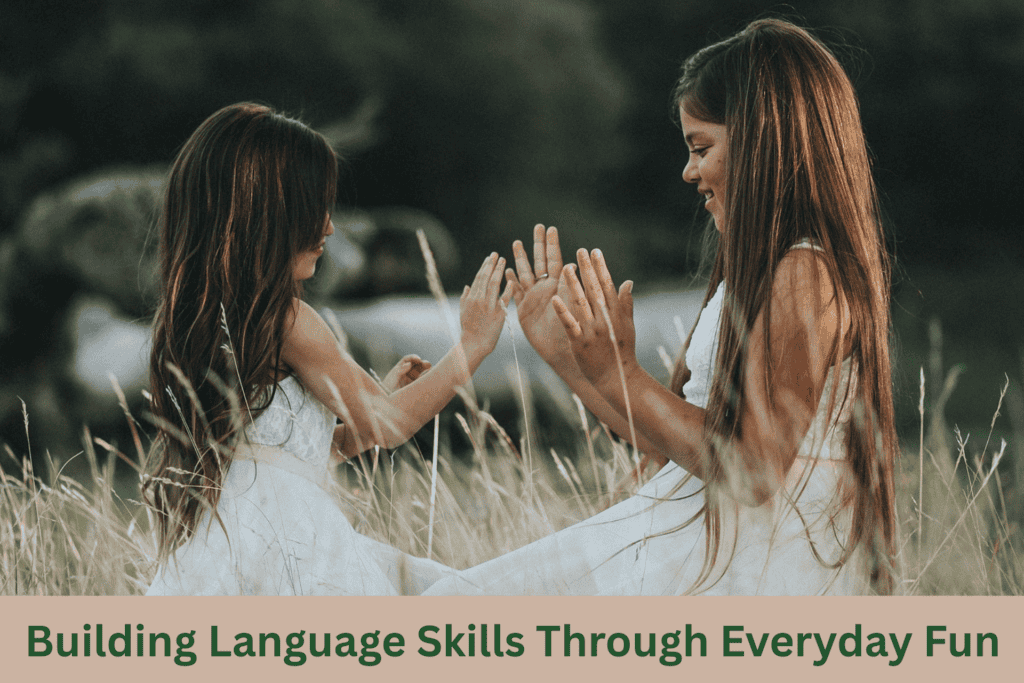
In speech therapy, children hear new words frequently as they play. Additionally, they also work on language in context. Play creates meaningful communication opportunities every day. Learning is easier if it is enjoyable.
Role Play, Games, Ideas and Communication Skills Building
Children use role play, game ideas to communicate their thoughts and needs. This is when they can ask questions, make decisions, and respond. Furthermore, this creates simple interactions which build up communication skills. Moreover, language development is also facilitated through pretend play. This is because kids create stories and use imagination. Likewise, this develops vocabulary and sentence development and is also beneficial for problem-solving and social communication.
Everyday Moments Become Learning Opportunities
Normally, there is no need for formal language learning. This is because everyday activities can be a fun learning experience through role play, game ideas. All of this can be integrated during regular activities such as mealtimes, bathing, and playing outdoors. To facilitate this, parents can describe actions during activities. They can name objects which introduce new vocabulary naturally. In the same vein, asking simple questions encourages responses. These small moments help to develop continuous language development.
Social Skills Grow Through Role Play, Game, Ideas Sharing
Learning isn’t limited to words when during play. It also builds social communication skills. This is because while playing, children learn to take turns, share, and listen. This way, they are able to understand and practice the normal way of communicating. In addition to that, group play also provides social learning experiences where children observe others and respond appropriately. So, as a result, these experiences strengthen confidence and connection.
Keeping Play Simple and Meaningful
Toys are not necessarily required, nor should they be expensive. Simple activities often work best in these interactions. In role play, game ideas are shared while working on building blocks, books, and pretend games support language growth. In addition to that, children also express themselves better when they are excited. Hence, learning is natural and safe when there are positive interactions.
How Speech Link Supports Play-Based Learning
In cases where formal speech therapy is needed by a child, play is used purposefully. Here at Speech Link, our team of speech-language pathologists create communication opportunities with fun activities. This makes therapy sessions feel interactive and meaningful, which we find more effective in sessions involving kids. In addition to this, we also guide families in using play at home. This includes simple strategies to create everyday learning opportunities. It is because we understand the importance of consistent practice to support stronger communication development.
Play naturally develop language. However, should you feel that your child needs more support, Speech Link it here to help.