
Building Independence Through Occupational Therapy
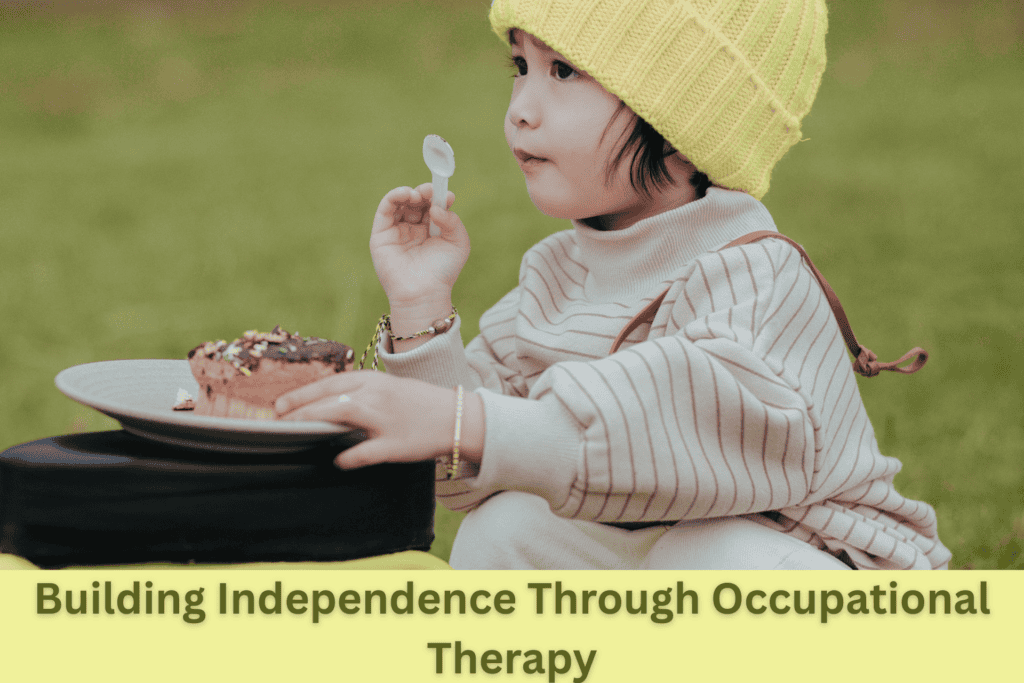
Occupational therapy is about independence and skills. This means it focuses on helping children accomplish everyday tasks such as getting dressed, eating, and playing. As such, the goal of treatment is to increase children’s ability to function. This is important because although all children learn and develop at different speeds, there are some who may have poor coordination or attention. In other cases, these kids may be easily fatigued due to various reasons. In this regard, occupational therapy provides support.
Skills Supported in Therapy
As mentioned earlier, occupational therapy addresses two main skills: fine and gross motor skills. Fine motor skills are those which involve hand movements such as writing, buttoning clothes, and eating with utensils. Gross motor skills, on the other hand, are “bigger” actions such as balance and coordination. Moreover, OT also supports sensory processing skills. For example, children who are sensitive to sounds or textures or have a need to move and fidget, patterns of behavior are introduced to improve comfort and participation.
Why Early Intervention is Important in Occupational Therapy
As in any type of therapy, early support helps children gain independence as close to their developmental milestones as possible. In this journey, small improvements can make daily routines easier. Relatedly, independence builds children’s confidence.
In some cases, learning and behavior may be the cause of the delay in these skills. As a result, these difficulties with tasks may lead to frustration. Early intervention thereby lessens these difficulties and helps ease the kids’ transition to school.
How Occupational Therapy Supports Daily Life
OT involves a series of tasks. Before starting, therapists ensure that the children are taught skills in a safe space. In going through a task, the action itself is broken down into smaller parts. In doing this, it allows children to build on their own achievements. Additionally, therapists also provide strategies for families which can be used in the context of daily activities. In doing this, children can practice at home, between therapy sessions that help carry over skills.
The Speech Link Approach
Here at Speech Link, we understand the connection between skills. Speech and life skills go together and are essential to achieving independence. Hence, our team works together to meet the needs of the child. As we plan therapy for your child’s needs, we also provide parents with information and support. Our main goal is to build confidence and independence in children entrusted into our care.
We believe that teaching life skills to children is important. With occupational therapy, your child’s life can become more meaningful and enabled.