
Speech Challenges and Behavioral Misunderstandings in Kids with Autism Spectrum Disorder, Toronto
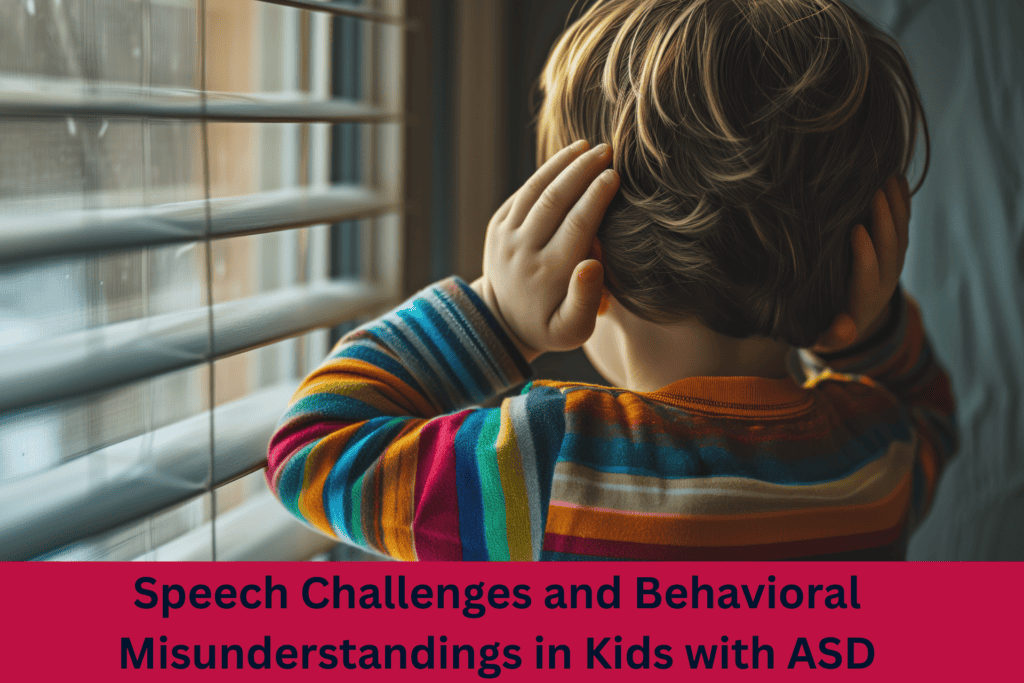
Helping a child find their voice is a journey that often begins with understanding what autism spectrum disorder or ASD is about. Quite often, children show certain “unwanted” behaviors when communicating feels like an uphill battle. You might see a child cry, scream, or even push back, and these are frequently interpreted as defiance. In most cases, the child is simply trying to express a need they can’t put into words yet. This stems from having limited speech that can be scary for a little one that can quickly turn into deep frustration. When words don’t come easily, they use their actions as a tool to tell us what they’re feeling. Learning to see this connection is the best way to offer real support for kids with autism spectrum disorder, Toronto.
Why Misunderstandings Happen
It is very easy for adults to get caught up focusing only on the “bad” behavior for kids with ASD. However, in doing this, we miss recognizing the communication struggle hiding right beneath the surface. For example, a child who seems to be rejecting a task might actually be struggling to understand the instructions provided. This is because when a child is confused, they often act out because they don’t know what else to do. If we only use discipline without addressing the speech gap, it doesn’t solve the problem. Instead, it leads to more frustration that worsens over time for kids with autism spectrum disorder, Toronto. However, once we recognize the root cause, the way we respond as adults completely changes.
Signs Behavior May Be Communication-Based for Kids with Autism Spectrum Disorder, Toronto
Identifying these patterns early can make a world of difference for children with autism spectrum disorder. When the issue is due to struggles in communication, you might notice a child:
- Gets angry or upset specifically during conversations.
- Stays very quiet or avoids talking.
- Has a hard time following basic tasks.
- Relies more on pointing or gestures instead of using their words.
Supporting Children Effectively
The most effective support starts by looking at the world through the child’s eyes. To make things easier, try using very simple language to clear up any confusion. It also helps to give them extra time to process what you’ve said so they can answer at their own pace. We should also celebrate the small wins; positive reinforcement gives them the confidence to keep trying. By creating a safe, patient space, children feel more comfortable testing out new words, which is a huge step for autism spectrum disorder.
The Role of Speech Therapy for Children with Autism Spectrum Disorder, Toronto
Speech therapy is about more than just talking. It helps bridge the gap between communication and behavior. In speech therapy, children gain the skills to express their needs and understand instructions much better. As they become more proficient with their speech and communication, you’ll often see them becoming more calm since they finally feel understood. Here at Speech Link, our team is dedicated to helping families navigate autism spectrum disorder. Our Speech and Language Pathologists create personalized plans for every child and guide parents for home activities. With the right support for children with autism spectrum disorder, Toronto kids can find a clearer way to express themselves.